
|
Cam Maloney
For an estimated 1.5 million UK households not connected to the mains gas grid, heating oil has long been the default choice. Rural properties, farmhouses, and homes in more remote parts of the country have relied on oil-fired boilers for decades, and for many, it's simply "how things have always been done."
But with oil prices fluctuating unpredictably, maintenance costs creeping up, and greener alternatives becoming more accessible, more homeowners are starting to ask whether heating oil is still the right choice — or whether it's time to consider something different.
In this post, we'll look at why home heating oil became so popular, weigh up its benefits and drawbacks, and explain why infrared heating is increasingly seen as a smarter, more future-proof alternative.
Why Home Heating Oil Became So Popular
Oil heating took hold in the UK largely out of necessity. Properties located outside the reach of the mains gas network needed a reliable, storable fuel source, and heating oil filled that gap effectively for much of the 20th century.
Oil-fired boilers typically offer:
High heat output, suitable for larger or older properties with poor insulation
Independence from the gas network, ideal for rural and off-grid homes
Established infrastructure, with a long-standing supply chain of oil delivery companies across the UK
For these reasons, oil heating became deeply embedded in rural communities, and many homes still rely on the same systems installed by previous generations.
The Benefits of Home Heating Oil
There are some genuine advantages that have kept oil heating in place for so long.
Reliable in Off-Grid Locations
For properties with no access to mains gas, oil has traditionally been one of the few practical options for whole-house heating, alongside LPG and electric storage heaters.
High Heat Output
Oil boilers can produce a lot of heat quickly, which has made them popular in larger, older, or poorly insulated properties where a powerful heat source is needed to keep rooms warm.
Familiar Technology
Oil boiler systems are well understood by heating engineers across the country, and replacement parts and servicing are generally easy to source, even in more rural areas.
The Drawbacks of Home Heating Oil
Despite these benefits, heating oil comes with a growing list of downsides that are becoming harder to ignore.
Volatile and Rising Costs
Heating oil prices are notoriously unpredictable, fluctuating with global oil markets, exchange rates, and seasonal demand. Many homeowners report sudden price spikes in winter, precisely when demand — and the need to heat their home — is highest.
Large Upfront Fuel Purchases
Unlike gas or electricity, which are billed as you use them, oil is typically bought in bulk and stored in a tank on the property. This means finding a significant lump sum for a delivery, rather than spreading costs evenly throughout the year.
Storage and Space Requirements
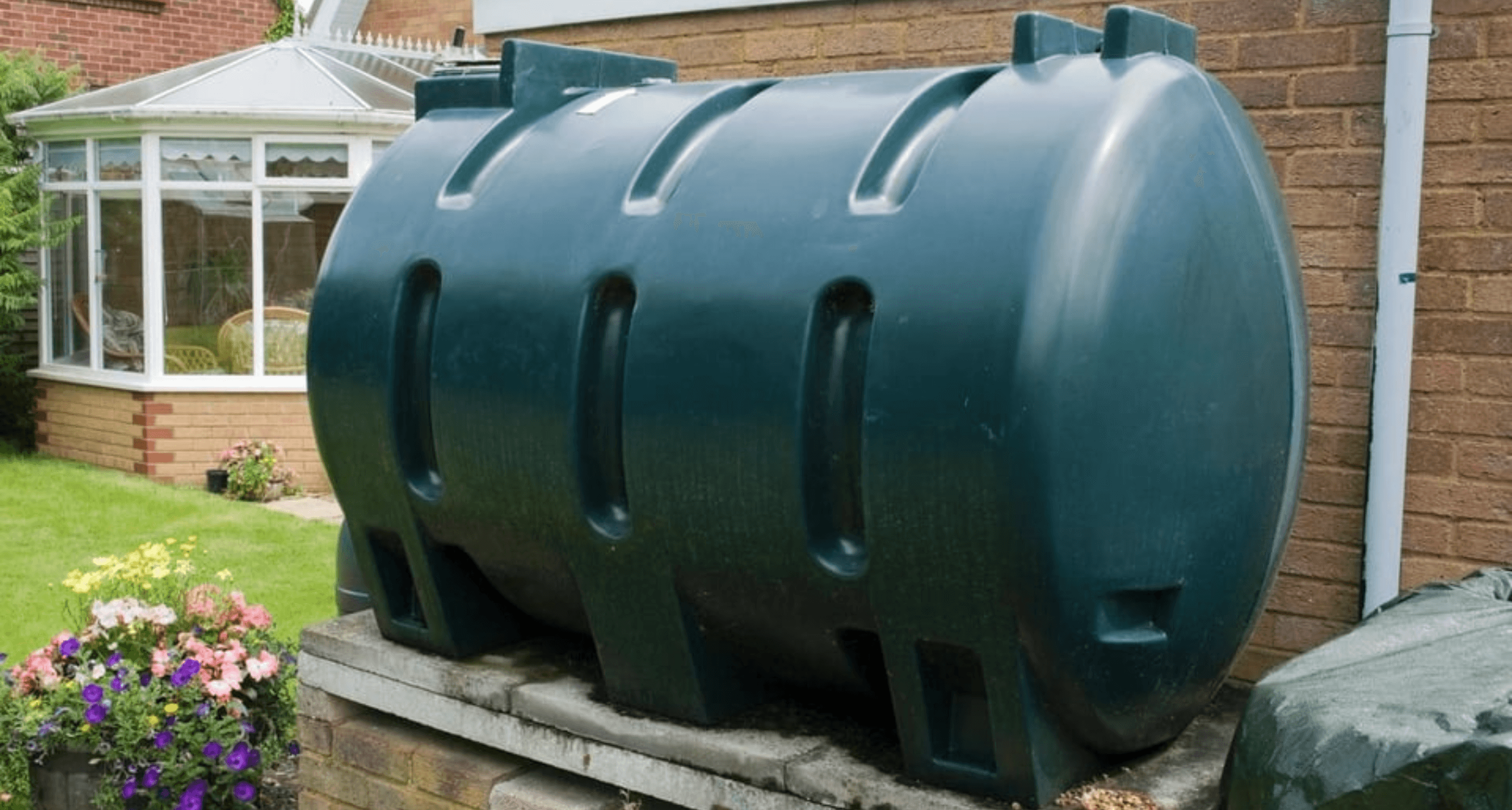
Oil heating requires a storage tank, which takes up outdoor space, needs to be positioned according to safety regulations, and requires monitoring to avoid running out unexpectedly.
Maintenance and Servicing Costs
Oil boilers require regular servicing to remain safe and efficient, including annual inspections, nozzle replacements, and periodic tank checks. Over time, these costs add up.
Environmental Impact
Heating oil is a fossil fuel, and burning it releases carbon emissions. With the UK government pushing towards decarbonisation targets and future restrictions on fossil fuel heating systems in off-grid homes, oil heating's long-term viability is increasingly in question.
A Smarter Alternative: Infrared Heating
Given these drawbacks, particularly the unpredictable running costs and ongoing maintenance demands, more homeowners are exploring infrared heating as a practical alternative, especially in properties that are well suited to electric heating solutions.
How Infrared Heating Differs
Rather than burning fuel to heat air (as oil boilers do), infrared heating panels emit infrared radiation that directly warms people, furniture, and surfaces in a room. This is the same natural process by which sunlight warms your skin, even on a cold day. Because the heat is direct rather than air-based, infrared heating typically achieves a comfortable feel more quickly, with less heat lost to draughts.
No Fuel Storage, No Deliveries
Infrared panels run on electricity, meaning there's no need for a fuel storage tank, no bulk deliveries to plan around, and no risk of running out of oil mid-winter. Heating simply runs off your existing electricity supply.
Lower Maintenance, Longer Lifespan
Our infrared heating panels are:
CE, UKCA, TUV, GS, and RoHS certified
IP54 rated as standard (IP65 available for the Solstice Mirror Panel)
Constructed from durable stainless steel
Backed by a 10-year warranty
Built for a 30-year design life
Zero annual servicing required
Compared to the annual servicing, part replacements, and tank checks associated with oil boilers, infrared heating offers a genuinely low-maintenance alternative.
More Predictable Running Costs
Because infrared panels convert almost all the electricity they use directly into heat, with minimal energy wasted, running costs tend to be more consistent and predictable than the volatile pricing seen with heating oil, particularly when paired with time and zone controls to heat only the rooms in use.
A Future-Proof Option
As the UK moves towards phasing out fossil fuel heating in off-grid properties, switching to an electric heating solution like infrared now can help homeowners get ahead of future regulatory changes, rather than facing a forced, costly transition later.
Is Infrared Heating Right for Your Home?
Infrared heating panels are well suited to a wide range of property types, including those currently reliant on oil, particularly where insulation has been improved or where targeted, room-by-room heating makes more sense than heating an entire property uniformly. Panels are available in a range of sizes and finishes to suit different rooms and interior styles.
If you're weighing up whether to stick with oil or make the switch to a more predictable, low-maintenance heating solution, our team can talk you through your options based on your property and current setup.
Get in Touch
Thinking about moving away from heating oil? Get in touch with our team for a no-obligation chat about whether infrared heating could work for your home, or explore our full range of infrared heating panels to see what's available.